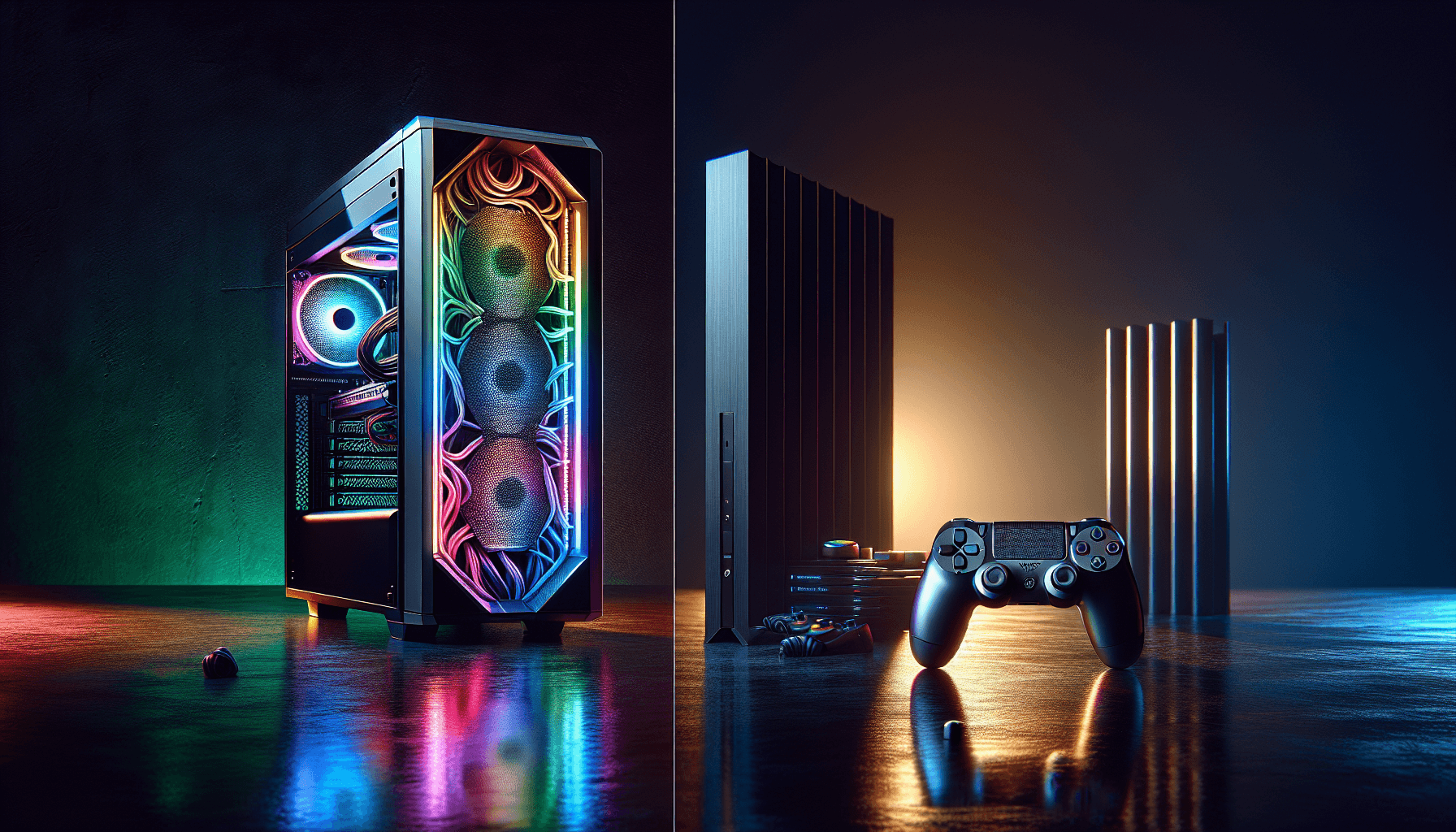







The eternal showdown between PC and console gaming is fraught with misconceptions and half-truths, especially when it comes to cost. Console gamers boast about plug-and-play affordability, while PC aficionados argue their bespoke setups deliver unparalleled quality—and both sides frequently miss the mark. The reality? Over a five-year cycle, the math paints a very different picture that should have both camps reevaluating their strategies in 2026.
The Initial Investment: Sticker Shock vs. Subtle Savings
Let's start with what you shell out upfront. A PlayStation 5 clocks in at around $500, and that's for a console that can play games at up to 120 FPS in 4K. No hidden costs here for upgrades or additional components. On the other side, you're looking at a mid-tier gaming PC setup costing at least $1,000, and that’s conservative. An update in GPU hierarchy rankings will confirm that even a budget gaming rig needs a solid GPU like the NVIDIA GTX 1660 Super, which alone eats up nearly $250 of your budget.
However, do the math carefully. That console price is just the baseline. Here come the Xbox Live or PlayStation Plus subscriptions, adding approximately $60 annually, which grows to at least $300 over five years. For the PC gamer? Online multiplayer is still mostly free. A fancy keyboard, mouse, or even a VR setup may spark joy, but these are optional add-ons, not necessities.
The Upgrade Path: Flexibility vs. Fixed Specifications
A console's fixed hardware can mean you’re set up to run most new releases without a hitch—as long as those releases are optimized for your console. But the flip side is obvious: if you crave the latest advancements in graphical fidelity or higher FPS, you’re stuck. PC gamers have the advantage of flexibility. Swap in a new GPU, toss some RAM at it, and you're future-proofed.
Now, before you start ranting about costs again, consider this: upgrading an entry-level GPU like the AMD RX 5600 XT to a mid-tier player such as the NVIDIA RTX 3060 Ti in 2026 might cost you another $300. But this refresh tends to occur as tech evolves—typically every couple of years—and not on launch day. Spread these costs over a long term, and they start looking quite reasonable.
Game Costs: Available Titles and Their Hidden Costs
Game prices are another arena where lines blur. Triple-A titles frequently launch at $70 whether you’re on PC or console. Sales, however, are where the PC really shines. The PC gaming ecosystem is rich with frequent and significant discounts thanks to Steam, the Epic Games Store, and more. We're often talking half-off sales within a few months of release—massive savings if you're patient.
What's often overlooked is the broad selection and flexibility in the PC library, including backward compatibility with decades-old titles. Sometimes, a one-off cost like an emulator can add value no console library can match. Meanwhile, console owners must wait for remasters, or a leap in expectations makes older libraries obsolete or pricey to reaccess.
Performance Over Time: Longevity and Versatility
Performance is king, and here, PCs can flex muscle. Even an average gaming PC can offer resolutions and frame rates a console can't touch, especially as time goes on. You have the freedom to play at whatever settings suit you best, prioritizing graphics or performance as hardware allows.
Consider the disparity of a strong PC with an upgraded NVIDIA RTX 4080 vs a 2026 edition console that has remained static since launch. While the initial comparison might favor the new console, over time and several game cycles, the PC's dynamic hardware keeps it relevant. Increased use of DLSS or FidelityFX Super Resolution can transform older machines to power levels unseen in consoles.
Bottom Line
From console advocates to the PC master race, it’s clear the landscape of gaming isn’t simply about upfront costs but involves a nuanced balance of long-term expenditure and personal choice. In 2026, the argument that one is unequivocally cheaper or better doesn’t hold. PCs may demand higher initial investments but offer flexibility and long-term savings these passionate communities need to acknowledge. Choose your weapon of choice not just for the savings, but for the gaming experience that best suits your lifestyle.