Dark Souls
Can your GPU run this game?
Estimated FPS across quality settings and resolutions
Search for your GPU above to see a full FPS breakdown at every quality and resolution.
Dark Souls FPS by GPU
Estimated framerates for 14 reference GPUs · pick a resolution and quality
Full benchmark grid · 14 GPUs × 4 qualities × 3 resolutions
1080p performance
| GPU | low | medium | high | ultra |
|---|---|---|---|---|
| RTX 5090 | 999 fps | 999 fps | 999 fps | 999 fps |
| RTX 4090 | 999 fps | 999 fps | 999 fps | 999 fps |
| RX 7900 XTX | 999 fps | 999 fps | 999 fps | 999 fps |
| RTX 5080 | 999 fps | 999 fps | 999 fps | 999 fps |
| RTX 4080 Super | 999 fps | 999 fps | 999 fps | 999 fps |
| RTX 4070 Ti | 999 fps | 999 fps | 999 fps | 975 fps |
| RTX 4070 | 999 fps | 999 fps | 999 fps | 836 fps |
| RX 7800 XT | 999 fps | 999 fps | 906 fps | 736 fps |
| RTX 3080 | 999 fps | 999 fps | 882 fps | 716 fps |
| RTX 4060 Ti | 999 fps | 999 fps | 833 fps | 677 fps |
| RTX 3070 | 999 fps | 949 fps | 759 fps | 617 fps |
| RTX 4060 | 999 fps | 857 fps | 686 fps | 557 fps |
| RTX 3060 | 918 fps | 735 fps | 588 fps | 478 fps |
| GTX 1660 Super | 666 fps | 533 fps | 426 fps | 346 fps |
1440p performance
| GPU | low | medium | high | ultra |
|---|---|---|---|---|
| RTX 5090 | 999 fps | 999 fps | 999 fps | 999 fps |
| RTX 4090 | 999 fps | 999 fps | 999 fps | 999 fps |
| RX 7900 XTX | 999 fps | 999 fps | 999 fps | 999 fps |
| RTX 5080 | 999 fps | 999 fps | 999 fps | 985 fps |
| RTX 4080 Super | 999 fps | 999 fps | 999 fps | 925 fps |
| RTX 4070 Ti | 999 fps | 999 fps | 900 fps | 731 fps |
| RTX 4070 | 999 fps | 964 fps | 771 fps | 627 fps |
| RX 7800 XT | 999 fps | 849 fps | 680 fps | 552 fps |
| RTX 3080 | 999 fps | 827 fps | 661 fps | 537 fps |
| RTX 4060 Ti | 976 fps | 781 fps | 624 fps | 507 fps |
| RTX 3070 | 890 fps | 712 fps | 569 fps | 463 fps |
| RTX 4060 | 804 fps | 643 fps | 514 fps | 418 fps |
| RTX 3060 | 689 fps | 551 fps | 441 fps | 358 fps |
| GTX 1660 Super | 499 fps | 399 fps | 320 fps | 260 fps |
4K performance
| GPU | low | medium | high | ultra |
|---|---|---|---|---|
| RTX 5090 | 999 fps | 999 fps | 823 fps | 669 fps |
| RTX 4090 | 999 fps | 955 fps | 764 fps | 621 fps |
| RX 7900 XTX | 999 fps | 857 fps | 686 fps | 557 fps |
| RTX 5080 | 999 fps | 808 fps | 647 fps | 525 fps |
| RTX 4080 Super | 949 fps | 759 fps | 607 fps | 493 fps |
| RTX 4070 Ti | 750 fps | 600 fps | 480 fps | 390 fps |
| RTX 4070 | 643 fps | 514 fps | 411 fps | 334 fps |
| RX 7800 XT | 566 fps | 453 fps | 362 fps | 294 fps |
| RTX 3080 | 551 fps | 441 fps | 353 fps | 287 fps |
| RTX 4060 Ti | 520 fps | 416 fps | 333 fps | 271 fps |
| RTX 3070 | 474 fps | 380 fps | 304 fps | 247 fps |
| RTX 4060 | 429 fps | 343 fps | 274 fps | 223 fps |
| RTX 3060 | 367 fps | 294 fps | 235 fps | 191 fps |
| GTX 1660 Super | 266 fps | 213 fps | 170 fps | 138 fps |
Where to buy
Dark Souls
affiliate
Minimum Hardware
* Amazon links are affiliate links. We may earn a commission at no extra cost to you.
Genres
About
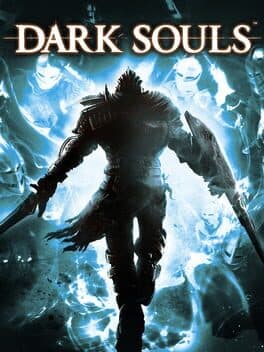
Dark Souls, released in 2011, is an action role-playing game developed by FromSoftware that has captivated players with its unforgiving gameplay and rich lore. Set in a dark medieval fantasy world, players assume the role of the Chosen Undead, navigating treacherous landscapes and facing formidable foes. Notable for its intricate level design, Dark Souls boasts a unique approach to storytelling and character development that has influenced many games that followed.
In terms of PC performance, Dark Souls is relatively accessible, requiring only an entry-level GPU with a minimum score of around 200 for optimal gameplay. With a minimum of 1 GB RAM, players can expect a solid frame rate, making it easier to achieve smooth FPS even on lower-end hardware. For those looking to fine-tune their settings, upgrading to mid-range GPUs can enhance performance significantly, allowing for improved graphics settings and a more immersive experience.
Given its rating of 87/100 and its popularity within the adventure and RPG genres, Dark Souls is a must-play for fans of challenging gameplay and rich narrative depth. The game’s engaging mechanics and atmospheric world make it a standout title worth experiencing, especially for those who appreciate the intricacies of PC gaming benchmarks and performance analysis.
Performance profile
September 2011 release. Dark Souls targets mid-2000s-to-early-2010s hardware — any modern entry-level GPU (GTX 1650 tier or newer integrated graphics) handles it at 1080p Ultra without breaking a sweat.
RPGs like Dark Souls stress VRAM during long sessions — texture streaming, mods and open-world traversal inflate memory use over time. 8 GB VRAM is a practical floor; 12 GB+ is worth the headroom at 1440p and above.
Extremely light — Dark Souls runs at 60 FPS 1080p on any integrated GPU (Intel Iris Xe, AMD Radeon Graphics) or a decade-old discrete card like the GTX 1050. A current-gen RTX 4060 pushes 4K Ultra without effort.
Storyline
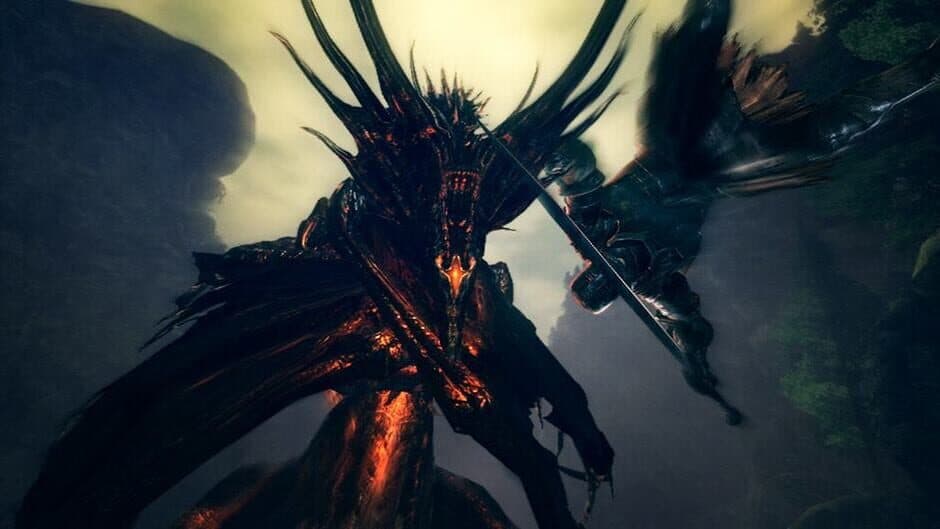
Dark Souls takes place in the dark, decaying kingdom of Lordran, a world in decline where gods, humans, and other mystical beings struggle with the inevitability of age, fire, and darkness. The player assumes the role of an Undead, a cursed being who is fated to resurrect repeatedly after death. The Undead is prophesied to either link the fire and prolong the Age of Fire or let it fade, ushering in the Age of Dark. The game begins with the player imprisoned in the Northern Undead Asylum. Escaping sets the stage for a journey across Lordran, from crumbling castles and ancient ruins to twisted forests and treacherous catacombs. Along the way, the player encounters remnants of once-great heroes, malevolent creatures, and godlike beings, each guarding vital keys, souls, or knowledge necessary to progress. Central to the story are the Four Lords of Cinder: powerful beings who previously linked the First Flame and have now abandoned their thrones. They include: Gwyn, Lord of Sunlight, whose fate is intertwined with the First Flame. Nito, the First of the Dead, a skeletal lord shrouded in deathly mists. The Witch of Izalith, whose attempts to recreate the First Flame led to catastrophic consequences. Seath the Scaleless, a dragon obsessed with immortality and forbidden knowledge. As the Undead, the player collects the Lord Souls, defeats these Lords, and reaches the Kiln of the First Flame, confronting Gwyn’s remnant. The climax offers a choice: to link the fire, continuing the Age of Fire, or let it fade, allowing the Age of Dark to begin—symbolizing the cyclical struggle between light and dark, life and decay, in Lordran. The narrative is deliberately ambiguous and cryptic, conveyed mostly through environmental storytelling, item descriptions, and subtle NPC dialogue. Themes of despair, perseverance, and the cyclical nature of history permeate the journey, creating a haunting and immersive experience that rewards careful observation and exploration.