Armored Warfare
Can your GPU run this game?
Estimated FPS across quality settings and resolutions
Search for your GPU above to see a full FPS breakdown at every quality and resolution.
Armored Warfare FPS by GPU
Estimated framerates for 14 reference GPUs · pick a resolution and quality
Full benchmark grid · 14 GPUs × 4 qualities × 3 resolutions
1080p performance
| GPU | low | medium | high | ultra |
|---|---|---|---|---|
| RTX 5090 | 999 fps | 999 fps | 999 fps | 999 fps |
| RTX 4090 | 999 fps | 999 fps | 999 fps | 999 fps |
| RX 7900 XTX | 999 fps | 999 fps | 999 fps | 999 fps |
| RTX 5080 | 999 fps | 999 fps | 999 fps | 999 fps |
| RTX 4080 Super | 999 fps | 999 fps | 999 fps | 999 fps |
| RTX 4070 Ti | 999 fps | 999 fps | 999 fps | 979 fps |
| RTX 4070 | 999 fps | 999 fps | 999 fps | 839 fps |
| RX 7800 XT | 999 fps | 999 fps | 910 fps | 739 fps |
| RTX 3080 | 999 fps | 999 fps | 885 fps | 719 fps |
| RTX 4060 Ti | 999 fps | 999 fps | 836 fps | 679 fps |
| RTX 3070 | 999 fps | 953 fps | 762 fps | 619 fps |
| RTX 4060 | 999 fps | 861 fps | 689 fps | 559 fps |
| RTX 3060 | 922 fps | 738 fps | 590 fps | 480 fps |
| GTX 1660 Super | 669 fps | 535 fps | 428 fps | 348 fps |
1440p performance
| GPU | low | medium | high | ultra |
|---|---|---|---|---|
| RTX 5090 | 999 fps | 999 fps | 999 fps | 999 fps |
| RTX 4090 | 999 fps | 999 fps | 999 fps | 999 fps |
| RX 7900 XTX | 999 fps | 999 fps | 999 fps | 999 fps |
| RTX 5080 | 999 fps | 999 fps | 999 fps | 989 fps |
| RTX 4080 Super | 999 fps | 999 fps | 999 fps | 929 fps |
| RTX 4070 Ti | 999 fps | 999 fps | 904 fps | 734 fps |
| RTX 4070 | 999 fps | 968 fps | 775 fps | 629 fps |
| RX 7800 XT | 999 fps | 853 fps | 682 fps | 554 fps |
| RTX 3080 | 999 fps | 830 fps | 664 fps | 539 fps |
| RTX 4060 Ti | 980 fps | 784 fps | 627 fps | 509 fps |
| RTX 3070 | 893 fps | 715 fps | 572 fps | 465 fps |
| RTX 4060 | 807 fps | 645 fps | 516 fps | 420 fps |
| RTX 3060 | 692 fps | 553 fps | 443 fps | 360 fps |
| GTX 1660 Super | 501 fps | 401 fps | 321 fps | 261 fps |
4K performance
| GPU | low | medium | high | ultra |
|---|---|---|---|---|
| RTX 5090 | 999 fps | 999 fps | 826 fps | 671 fps |
| RTX 4090 | 999 fps | 959 fps | 767 fps | 623 fps |
| RX 7900 XTX | 999 fps | 861 fps | 689 fps | 559 fps |
| RTX 5080 | 999 fps | 811 fps | 649 fps | 527 fps |
| RTX 4080 Super | 953 fps | 762 fps | 610 fps | 495 fps |
| RTX 4070 Ti | 753 fps | 602 fps | 482 fps | 392 fps |
| RTX 4070 | 645 fps | 516 fps | 413 fps | 336 fps |
| RX 7800 XT | 569 fps | 455 fps | 364 fps | 296 fps |
| RTX 3080 | 553 fps | 443 fps | 354 fps | 288 fps |
| RTX 4060 Ti | 523 fps | 418 fps | 334 fps | 272 fps |
| RTX 3070 | 476 fps | 381 fps | 305 fps | 248 fps |
| RTX 4060 | 430 fps | 344 fps | 275 fps | 224 fps |
| RTX 3060 | 369 fps | 295 fps | 236 fps | 192 fps |
| GTX 1660 Super | 267 fps | 214 fps | 171 fps | 139 fps |
Where to buy
Armored Warfare
affiliate
Minimum Hardware
* Amazon links are affiliate links. We may earn a commission at no extra cost to you.
Genres
About
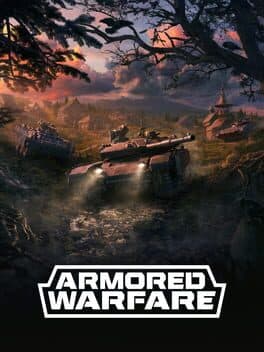
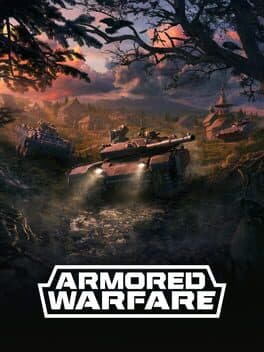
Armored Warfare, released in 2015, is a free-to-play massively multiplayer online tactical military video game that immerses players in the thrilling world of modern combat. In this action-packed simulation, players can take command of an array of powerful tanks and armored vehicles, engaging in intense battles against other players. What sets Armored Warfare apart is its focus on modern military hardware, allowing players to wield some of the most advanced machines designed for warfare.
When it comes to PC performance, Armored Warfare is relatively accessible, requiring only an entry-level GPU with a minimum score of around 191 to run effectively. Players can expect decent FPS at lower graphics settings with 4 GB of RAM as a baseline. For a smoother experience, particularly in high-intensity scenarios, a mid-range GPU is recommended to ensure enjoyable gameplay without significant frame drops or performance issues.
Considering its 60/100 rating, Armored Warfare offers a balance of fun and strategic gameplay for those who enjoy military-themed games. If you appreciate tactical team-based action and have compatible hardware, it's worth giving this game a shot for a unique online gaming experience.
Performance profile
Released in October 2015, Armored Warfare sits in the DirectX 11 generation. Comfortable on any modern mid-range GPU at 1440p; even an RTX 3050 or RX 6600 typically delivers 4K60 at High settings.
Simulation titles like Armored Warfare are heavily CPU-dependent — physics, AI and world state dominate the frame budget. Prioritise a CPU with strong single-thread performance and fast RAM over raw GPU power.
Extremely light — Armored Warfare runs at 60 FPS 1080p on any integrated GPU (Intel Iris Xe, AMD Radeon Graphics) or a decade-old discrete card like the GTX 1050. A current-gen RTX 4060 pushes 4K Ultra without effort.
Storyline
At the beginning of the 21st century, few could imagine the conflagration sparked by a myriad of local flashpoints spanning every corner of the globe. Europe was overwhelmed by refugees, tens of millions fleeing from conflicts fueled by anger, greed and years of financial crisis and stagnation which started in the least stable regions and inexorably spread. Greece's final complete economic collapse triggered a chain reaction that threw Europe into chaos. Bulgaria took the worst of it – as the Bulgarian Greek-owned banks collapsed with Greece. The entire region was swept into a maelstrom of havoc, ruining countless lives and destroying any semblance of a status quo, but providing opportunities for those unscrupulous enough to exploit the situation. The remnants of the European Union were paralyzed by the growing gap between the governments and their people, and violent anti-government protests became commonplace, giving birth to numerous anarchist movements. Weapon caches from the crumbling governments of the third-world became the armories of the insurgencies. In the Middle East, the Syrian crisis spilled into the entire region, shattering Syria into multiple warring regions with Kurdish militias attempting to carve their own territories out of the chaos, frequently clashing with Turkish forces in a conflict that rapidly became a full-blown civil war. As Europe reeled from these blows, the newly elected American president decided to turn towards isolationism by bringing home most of the troops serving abroad, fearing “another Iraq” would happen if the American soldiers were further involved in the Middle East. This was supported by new technologies that allowed the USA to be energy independent. The new American strategy of providing military support to U.S.-friendly countries relied heavily on the use of American-backed PMC’s, as demonstrated by the 2018 War of the Precipice between Israel and its neighbors. This strategy had major repercussions, leading to the loss of direct influence in many parts of the world, especially South America. This in turn led to the rise of the Alianza de Sangre, a multi-national criminal drug cartel that gradually gained direct control over a large part of Mexico and Central America. The cartel funded guerrillas all across South America, starting multiple civil wars and profiting immensely from the turmoil. South American governments were powerless to stop this well-funded criminal organization without assistance, and lawlessness south of the American border gave rise to many American nationalist militias that gradually gained influence across the South. Asia's largest superpower, China, entered the late 2010's with a series of economic spasms caused by currency fluctuations, oil shortages and increased separatist tendencies in several of its regions. China put policies in place that bordered on martial law, with extensive crackdowns and brutal methods of control, and managed to keep the situation in hand, but just barely. In Europe, NATO, now in decline, was put to test for the first time in years as nationalist guerrillas appeared in Estonia. The entire Baltic region plummeted into conflict and the chronically underfunded NATO was petitioned to respond. Due to the lack of resources, lack of American backing and fear of starting another global war, armed response was vetoed and NATO for all intents and purposes ceased to exist as an effective structure by 2020. The global tensions also spurred violence on the Indian-Pakistani border. Amidst the chaos, five nuclear warheads were stolen from the Pakistani complex at Khushab and one of them was detonated in the Indian city of Hyderabad, leading to the death of millions and to staggering economic losses. The world held its breath, waiting for someone to step forward and announce they were responsible for the attack. This announcement never happened, and the unexplained, senseless violence of this heinous crime served as the final wake-up call for the nations to act. Weakened by insurgency and internal strife, the world’s powers – China, the European Union, Russia and the United States, came together to discuss how to fight the new multi-national threats. After extensive negotiations, a treaty was signed that would change the world forever. The treaty stipulated that the internal affairs of all the countries participating in the talks would be left to their own militaries, but major threats to entire regions or continents would be handled by a newly formed independent international body: the International Security Department. The ISD would use Private Military Companies, freely formed according to the principle of exterritoriality. The ISD would dictate the operations of the PMC’s but in return would support them both logistically and politically. Each PMC would be established with its own rules (ranging from ragtag bands of mercenaries to private armies equipped with modern weaponry) but they all would have to adhere to the ISD code, lest they become branded as renegades and prosecuted (de facto by other PMCs). The size of the PMC’s could vary from small bands of mercenaries to entire brigades or divisions and their equipment was just as varied – from antiquated vehicles mothballed even by third world militaries to cutting edge machines, purchased from those arms dealers approved by the ISD. For these dealers the contract with the ISD was very beneficial: for their promise not to supply anyone considered to be the enemy of the ISD, the authorities tended to look the other way when it came to the means the dealers employed when “acquiring” their stock. The most successful of these dealers signed exclusive contracts with the largest private forces, making them some of the richest men and women on Earth. Unfortunately this system brought its own pitfalls with it. Cases of mercenary units going rogue or switching sides were not uncommon, and for years it took the combined might of the ISD and the loyalists to crush such rebels completely and to make examples of them. Nevertheless, the system has proven effective and by early 2030’s the PMC’s were already the dominant and, in reality, only force capable of dealing with major crises in contested regions. As we approach the middle of the 21st century it is no longer in question, the world is on fire. The combined strength of the loyal PMC’s is now the only hope for keeping the earth from returning to another dark age. Whether they will be successful remains to be seen...